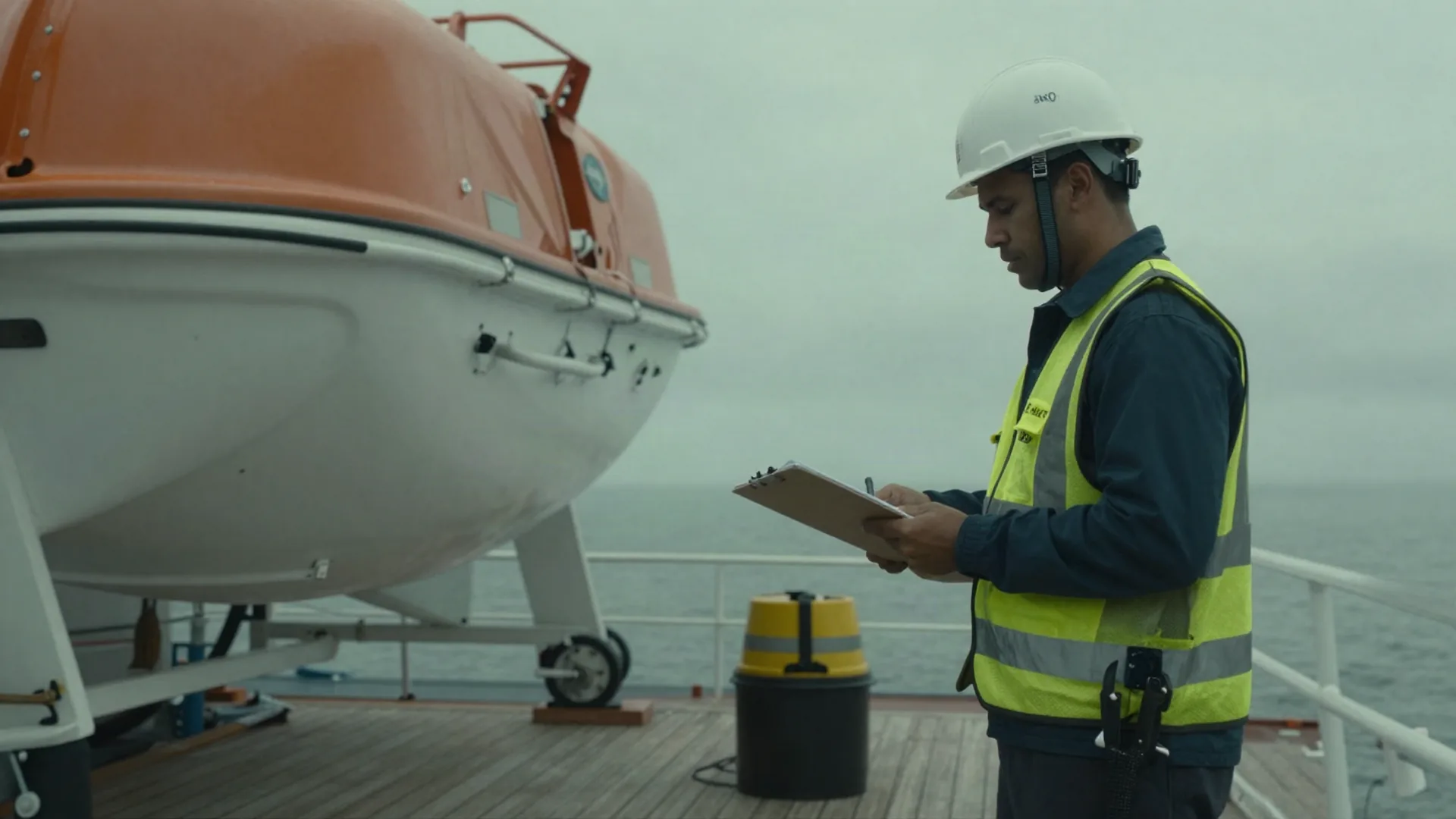
Maintenance Planning & Work Orders
Schedule preventive and corrective maintenance, assign work, track progress and retain a complete record of every task and work order.

Bring technical assets into a vessel-centred view. Explore the vessel geometry alongside the records that support maintenance, condition monitoring and engineering work.
A connected operation. Aboard & ashore.
The work behind the vessel.
Connected in Navis.
A closer look at the records, decisions and daily work behind the operation.

Every system. A connected history.
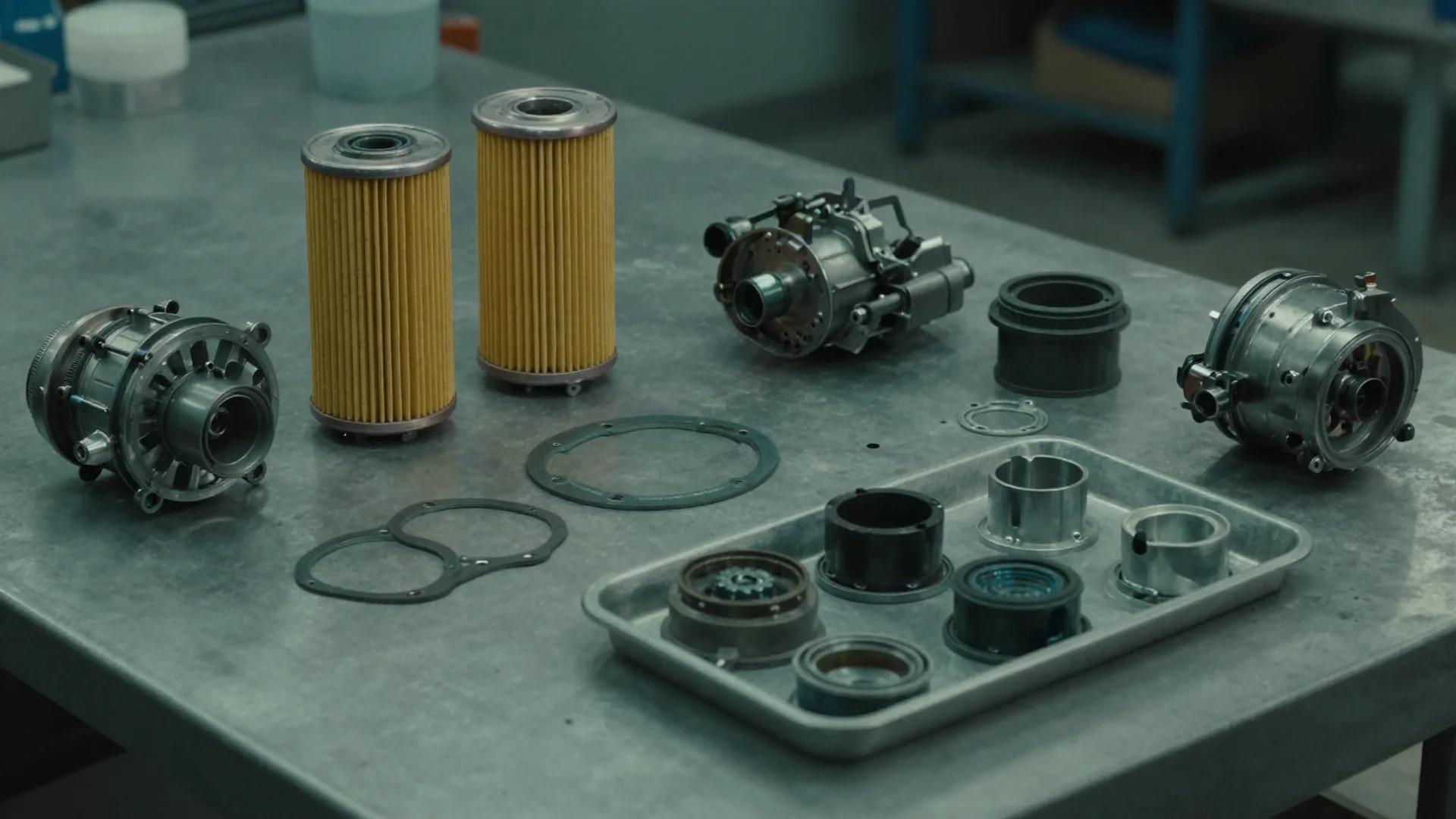
Schedule preventive and corrective maintenance, assign work, track progress and retain a complete record of every task and work order.
Capture meter readings, monitor asset condition and report defects in real time — helping technical teams identify issues, prioritise actions and maintain a clear maintenance history.
Build a complete digital view of each vessel, its systems and critical equipment — with connected technical data, asset history, documents, readings, maintenance and spare-part records.
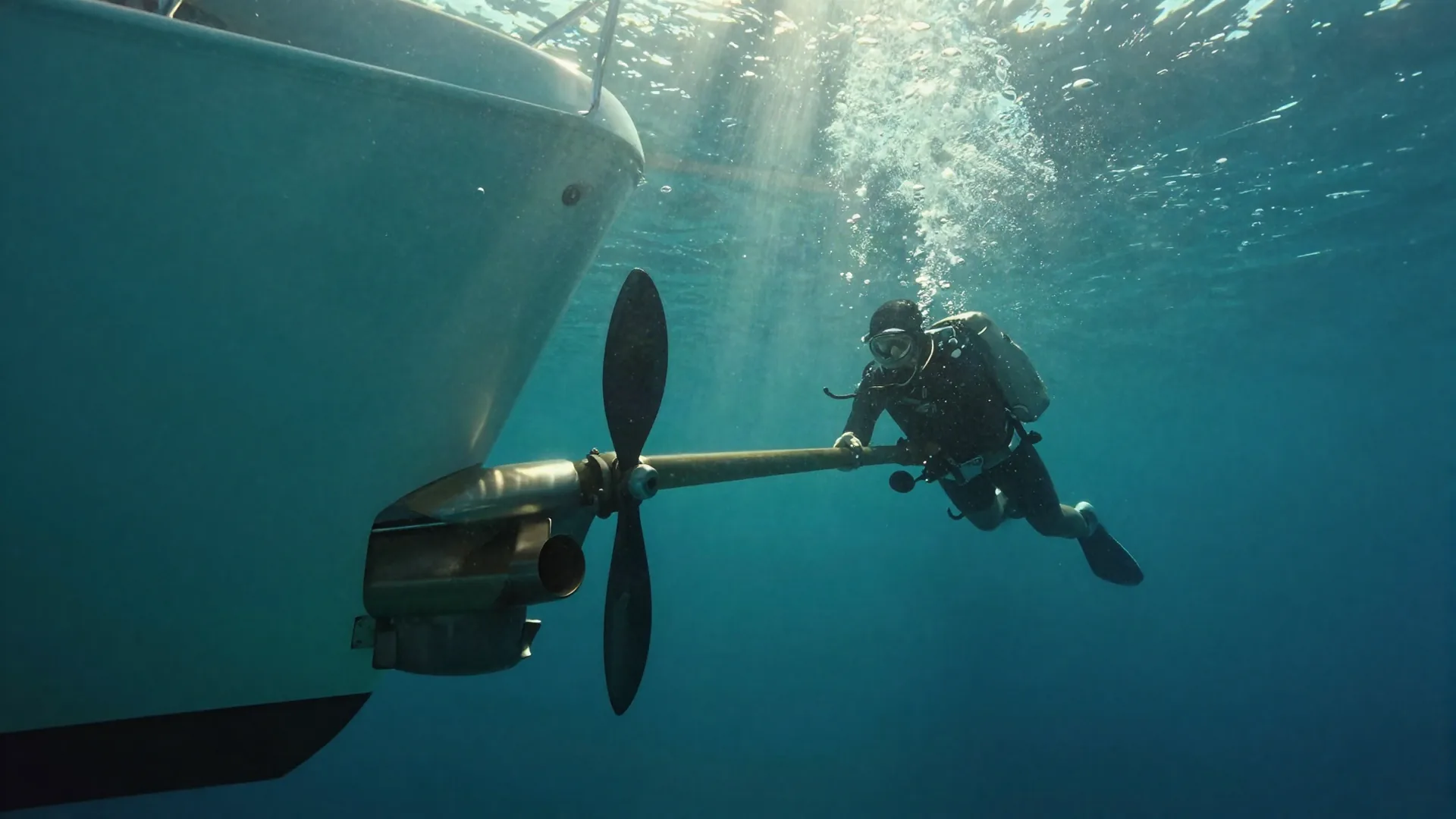
Explore a demonstration model using the same vessel geometry as the Navis digital twin.
Loading the interactive vessel…
Connect systems, equipment, documents and operational history to the vessel they belong to.
Explore this capabilityPlan, execute and document every aspect of vessel maintenance — connecting assets, work, defects, spares, costs and long-term projects in one operational system.
Turn every purchasing need into a controlled, connected workflow — from requisition and supplier sourcing to delivery, cost visibility and performance insight.

Strengthen safety management, compliance control and quality assurance with structured workflows, auditable records and clear follow-up across your fleet.